Best Countertop Edge for a Busy Richmond Kitchen
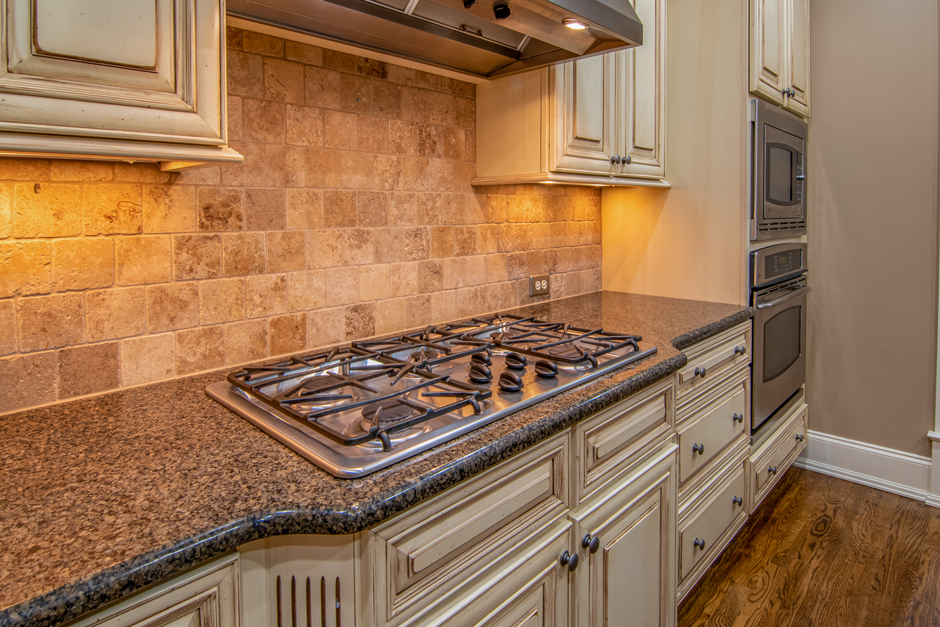
A softly eased edge or a half bullnose is the best countertop edge profile for a busy Richmond kitchen. Both remove the thin, sharp corner that chips first, both feel fine against a hip or forearm, and both are easy to wipe. The rest of the decision is about matching the profile to the material and to the spots in your kitchen that take the most abuse.
Why the Edge Is the Weak Point of Any Countertop
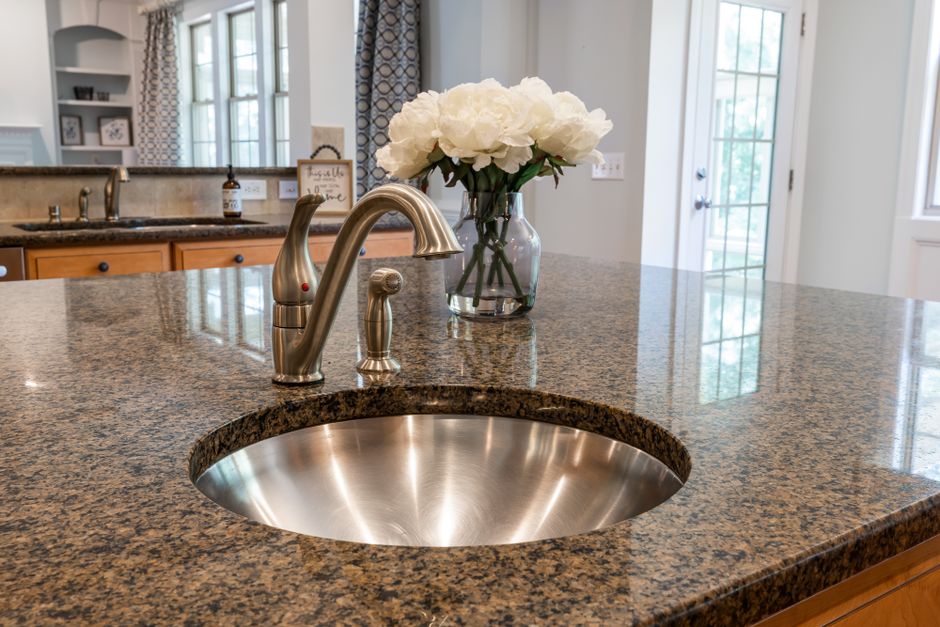
A countertop surface is flat and supported across its whole width. The edge is not. It is a narrow strip where two surfaces meet, and an impact lands on a very small amount of material. A cast iron pan swung toward the sink, a stoneware mug dropped against the lip, or a dishwasher rack rolled out too fast can all hit that strip.
A knife-sharp 90 degree corner is the worst case. It concentrates force on a thin line, so small flakes break away. That is why fabricators are often asked for a "small ease" instead of a dead-sharp square edge. The look stays modern and squared off, but the corner has just enough softening to take a knock.
The Profiles, Ranked for Heavy Use
Eased edge: the safest all-around choice
An eased edge is a square edge with the top and bottom corners slightly softened, often to about a 1/8 inch radius. It is the usual default for natural stone and engineered stone such as Cambria for good reason. It resists chipping better than a crisp square edge and reads as clean and contemporary. If your cabinets are flat-front or Shaker, it rarely looks out of place.
Half bullnose: best for families
The top is fully rounded and the underside stays flat. That rounded top is comfortable when you lean in at the sink, and it sheds impacts well. The flat underside also helps with spills, because liquid tends to stop at the edge instead of curling underneath onto the cabinet doors.
Full bullnose: comfortable, but it drips
A full bullnose is rounded on top and bottom. It feels great in the hand, but liquid can follow the curve under the counter and run down cabinet faces and drawer fronts. If you love the look, plan to check the doors below the sink and coffee station for water marks.
Bevel or chamfer: a middle option
The flat angled cut takes away the sharpest corner, so a bevel usually chips less than a square edge. It still leaves two crisp lines, and either one can take a hit. A slightly eased bevel holds up better in a kitchen that gets daily use.
Ogee, dupont, and other ornate profiles
Multi-step profiles have grooves and ridges that collect crumbs, grease, and dried batter. Every fine ridge is also another place for a chip to start. Save these for a low-traffic bar top or a bathroom vanity, not the main work zone.
Chiseled, rock-face, or flamed edges
Rough edges, including those made by stone flaming, trade comfort for character. They are rough to the touch and they trap grime. They suit an outdoor kitchen or an accent piece far better than the stretch of counter where you prep dinner every night.
Where Chips Actually Happen
Chips cluster in predictable places, so those are the places to be most careful about profile and polish:
- The sink cutout, where pots and pans are lifted in and out.
- Beside the dishwasher, where racks and dishes swing past the edge.
- Outside corners, especially on a kitchen island or peninsula.
- The edge in front of the cooktop, where heavy cookware gets set down and slid.
A pointed outside corner is the single most chip-prone point on the whole counter. Ask for a radiused corner instead. It also cuts down on bruised hips and child head bumps, which matters most where a walkway passes the corner.
Match the Edge to the Material
Engineered stone and granite
Quartz-based engineered stone resists stains and does not need sealing, but its edges can still chip under a sharp impact. Granite is hard, but it is not indestructible either. Sealing protects stone from stains, not from chips, so it does nothing for the edge.
Chips in either material can usually be repaired. Engineered stone is typically fixed with color-matched resin or epoxy, and granite with clear or tinted epoxy polished flush. Repairs are often good, but they can be visible up close, especially on solid, light colors. If a piece breaks off cleanly, keep it. A fabricator can sometimes glue it back for a nearly invisible repair.
Solid surface
Solid surface, such as Corian or Avonite, is the most forgiving material for edges. It can be routed into almost any profile, minor nicks and scratches can be sanded out, and seams can be made inconspicuous. The tradeoff is that it is softer and less heat tolerant than stone, so trivets are a must.
Laminate
Post-formed laminate wraps the top around a rounded front edge, so there is no seam on the face. A flat self-edge shows a dark line where the pieces meet. Water that gets past an edge or seam can swell the particleboard core, which is a real concern in Richmond, where long humid summers make moisture damage more likely. Wipe up standing water at the sink edge and keep the caulk lines intact.
Butcher block
Wood dents and splinters at sharp corners, so butcher block edges are usually eased or rounded. Oil the surface regularly, and expect some seasonal swelling and shrinking between humid summers and dry, heated winters. Seal or avoid wood right around the sink, where end grain soaks up water.
Richmond Kitchens Have Their Own Demands
Older rowhouses in the Fan, the Museum District, and Church Hill often have narrow galley or side-hall kitchens. In a space like that, you brush the counter constantly, with hips, forearms, and grocery bags all passing the edge. Comfort matters more than it would in a wide, open layout. Prioritize a softer profile and rounded corners near doorways and at the end of any run that sticks out into the walkway.
Test the Edge Before You Order
Showroom samples are the cheapest way to avoid a regret. Run your hand and forearm along the edge at the height you will actually use it. Then press your hip against it, the way you would when leaning in to wash dishes. An edge that feels sharp in a showroom will feel worse after years of daily use.
If the counter will have seating, think about the underside too. Chair backs and knees hit the edge and the area beneath it, so a softer profile on the seating side helps. Make sure the overhang is properly supported per the fabricator's guidance.
Check the Details at Installation
Thin slabs are often given a thick look by laminating a strip under the front edge or by mitering the edge. Check that the seam line is tight, color-matched, and consistent. A poorly done mitered corner is a weak point for chips.
Before the installers leave, sight along the edge and look for:
- A wavy or uneven polish.
- Corner radii that do not match each other.
- An edge sheen that differs from the top.
- Edge seams that do not line up flush.
Point out any flaws then, while they are easy to fix.
Leave Edge Changes to the Fabricator
Cutting, grinding, or polishing engineered stone releases respirable crystalline silica dust, made from silicon dioxide, and breathing it causes silicosis. Reshaping an edge that came out too sharp is not a weekend project. Edge changes on stone and engineered stone belong to a fabricator using wet methods and proper dust control. Never dry-grind indoors.
Small Habits That Protect Any Edge
Prevention beats repair, and it is nearly free:
- Set pans down rather than sliding them over the edge.
- Keep heavy items like cast iron away from the counter lip.
- Add bumpers to dishwasher racks and to cabinet doors that swing near the edge.
- Pay attention to how your own routine moves around the corners, then soften those first.
No profile prevents every chip. A well-chosen edge, rounded corners where people pass, and a few careful habits keep a busy kitchen looking good for many years.