How Can I Tell If a Countertop Job Is Done Well

Most people judge a finished countertop from the doorway and never get down to look at the seam, the edge or the level. Homeowners in Richmond, VA, from the Fan District to the West End, can check the work in about twenty minutes with a flashlight and a level, and the breakdown sitting on countertops richmond becoming bulletproof movie lists the checks in the order a fabricator would run them. Each one is physical and can be confirmed by hand.
Seams
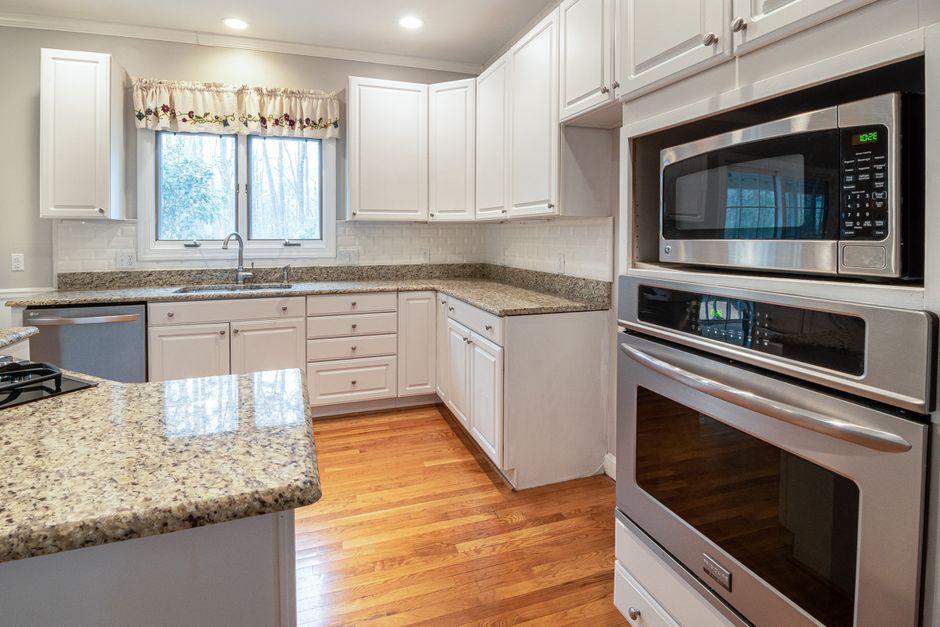
Run a fingertip across every seam. It should feel flush, with no lip. The joint should be narrow, and the adhesive should blend with the color of the top. Seam placement matters as much as the joint itself, because pattern and veining across a seam should line up as closely as the slab allows. A visible seam in granite, quartz or marble does not mean the material is fake. It means two pieces meet, and the only question is how well.
Edges
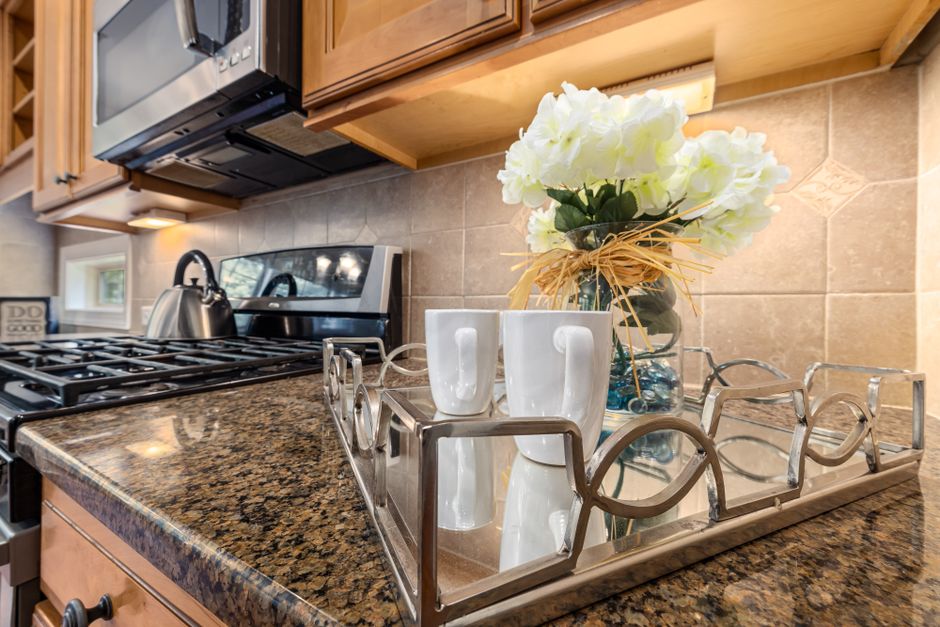
Look down the full length of the edge profile in raking light. An eased edge, a bullnose or a waterfall edge should keep the same shape from end to end, with an even polish and no wavy spots. Waves usually show up near corners and at the ends of cuts, where the polishing was rushed.
Level and wall gaps
Set a level on the top in several directions: along the run, across the depth, and diagonally at corners. The top should sit level. Then check the wall. Gaps should be even or covered by a backsplash, and the caulk lines should be neat and continuous. Old plaster walls in older Richmond houses are rarely straight, so a scribed fit and a clean bead of caulk tell you the installer noticed.
Sink cutouts and overhangs
An undermount sink needs a smooth, polished cutout edge and a consistent reveal all the way around. Run a hand along the underside as well, since rough edges hide there. Overhang is the other place to look. Any overhang beyond what the material can carry alone needs supports, either visible brackets or hidden steel. Thicker stone is not automatically stronger in every use, so the span and the support decide it, not the thickness alone.
Templating and the installer
Good work starts with templating. The template should be taken after cabinets are set and level, and the layout of the slab, including any remnant used for a small run, should be agreed before cutting. Quartzite, soapstone, porcelain, solid surface, butcher block and laminate each handle seams and edges differently, and fabricators do not all use the same methods. A good installer explains the care needs of the chosen material, including sealing if it applies, and says how often.