Why Do Countertops Crack or Develop Open Seams
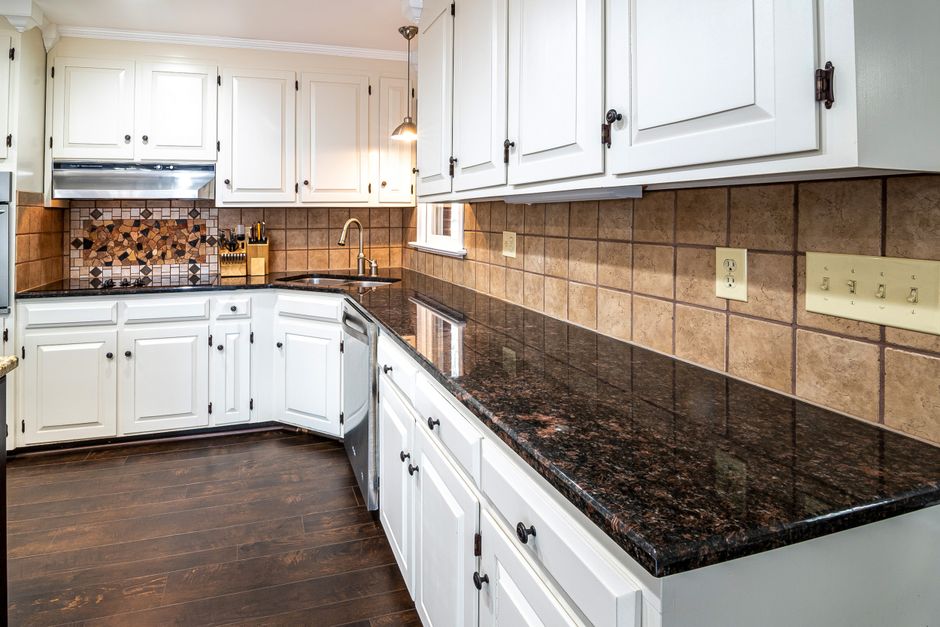
By the time the old top is lifted off the base cabinets in a Richmond, VA kitchen, the cause of the crack is usually already visible underneath. Cabinets that are out of level, or that shifted as the floor settled, leave stone unevenly supported, as the notes at countertops richmond becoming bulletproof movie describe. A countertop rides on those boxes, so it inherits every low corner and every rocking joint.
Bases that move
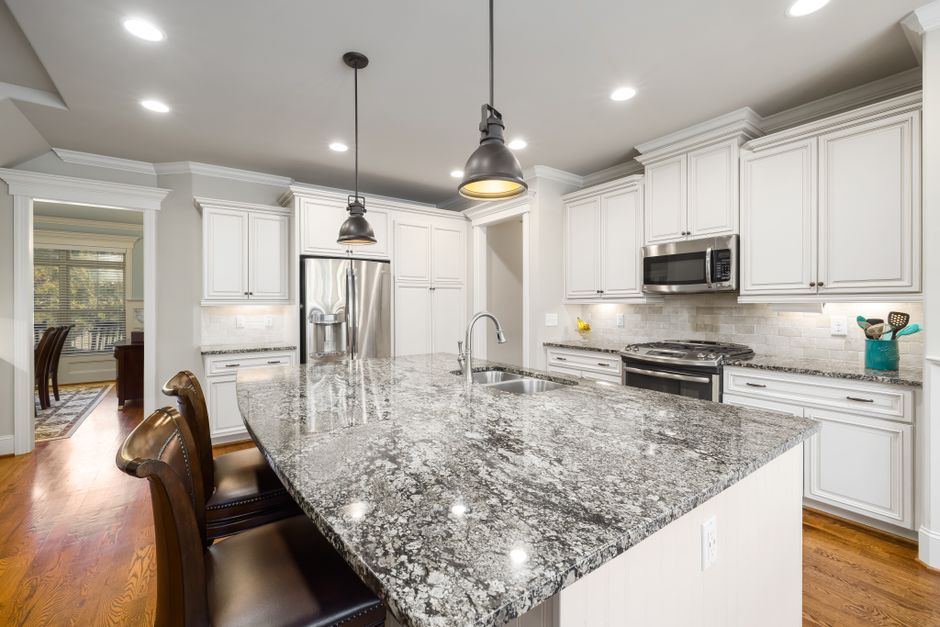
Shims go under the low corners before anything is set. Houses near the James River and in the Fan District often have floors that have dropped over decades, and a base run that was level at install can lean now. Granite or quartz spanning a gap it was never meant to bridge will flex, and a slab that flexes can eventually crack. Checking level at the template visit catches most of it.
Narrow stone at the cutouts
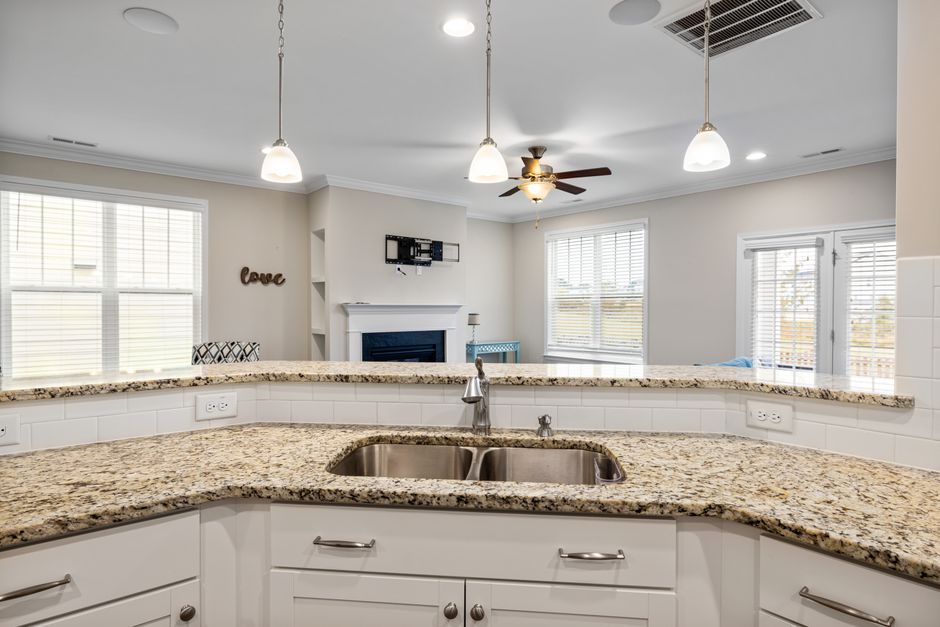
The strip of stone between a sink cutout and the front edge, or beside a cooktop, is the weakest part of any slab. It cracks more often than anywhere else. Inside corners cut as a sharp square turn concentrate stress, while a rounded radius spreads it out. Good templating asks for generous corner radii and leaves as much width in front of the bowl as the layout allows.
Overhangs without support
Stone that runs far past the cabinet face needs brackets or corbels. Unsupported, it can snap when someone leans on it or sits on it. Seating bars on an island are the usual place. The overhang gets measured against the thickness of the material, and when the depth is generous, the support goes in before the top does.
Heat from the pan
A very hot pan set straight down causes rapid temperature change, and that can produce thermal shock cracks in stone. On quartz it can also mark the resin. Marble and soapstone are not exempt either. A trivet beside the range prevents it, and no sealer does the same job.
Seams, edges and chips
Seams open when adhesive was applied poorly or when the cabinets underneath move, so seam placement matters. Keep joints away from the sink cutout and over solid cabinet rails. Chips tend to start on sharp square edges. An eased edge or bullnose resists chipping better than a crisp corner, though stone can still chip. Small chips in stone and quartz can often be filled with color matched resin by a trained repair tech. What a repair involves depends on the size of the chip, the color and veining of the material, and how much blending the finish needs.