Which Countertop Material Handles Humid Summers Best
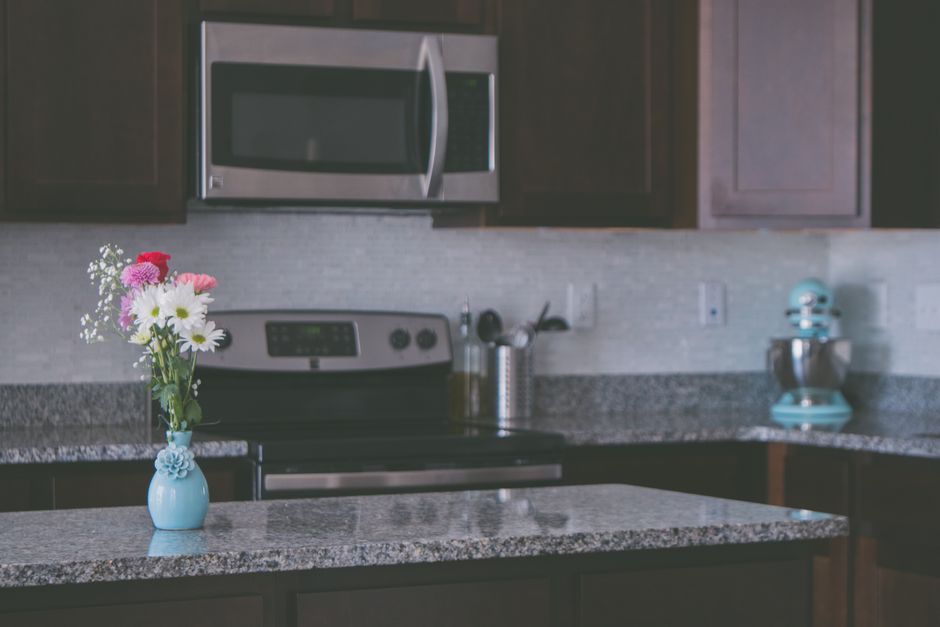
Most people pick a countertop slab by the showroom sample and never ask what the surface does under a hot pan, a wet sink edge or a lemon. The comparison sitting on countertops richmond becoming bulletproof movie lists the common materials by how they fail, which is the useful order for a kitchen in Richmond, VA, where summer humidity and old house walls both matter.
Quartz
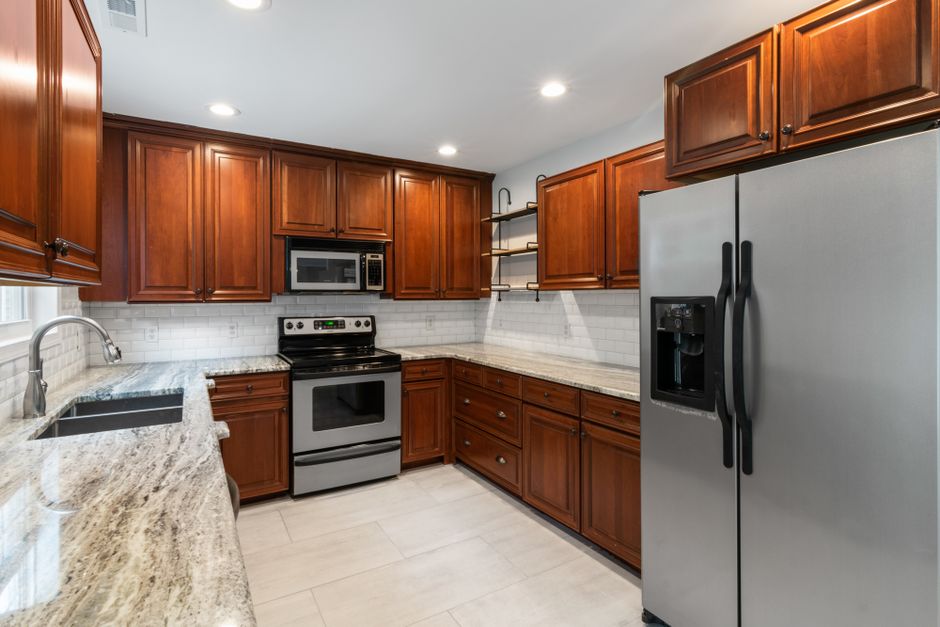
Quartz is crushed stone bound with polymer resin, so the surface is nonporous and never needs sealing. The resin is the weak point. A hot pan can scorch it, so a trivet stays on the counter. Long direct sun, such as a south window in the Fan District, can discolor it over the years. Seam placement matters more here because the pattern is uniform and a bad seam shows.
Granite

Granite is natural stone, and porosity changes from one slab to the next. Test it. Drop water on the surface and watch. If it darkens and soaks in within a few minutes, a sealer is needed. If it beads, leave it. Ask for the exact slab, not a sample, because the veining and density vary across a single block.
Marble
Marble is mostly calcium carbonate, so lemon juice and vinegar etch the surface. Sealing does not stop that, it only slows staining. The dull marks are chemical, not dirt. Some owners accept a worn finish as part of the stone. Anyone who wants a surface that stays unchanged should pick something else.
Butcher block
Wood takes on moisture and gives it back with the seasons, so butcher block swells and shrinks across the grain. It needs regular oiling. Fasten the top through slotted holes so the wood can move, because tight round screws will split a board by the first dry winter. Keep the sink cutout edge well finished, since end grain drinks water.
Laminate and solid surface
Laminate sits on a particleboard or fiberboard core. Water in the seams or at the sink cutout swells that core, and the swelling does not reverse. Caulk those edges before the sink goes in. Solid surface is acrylic or polyester based, and the seams can be nearly invisible. Minor scratches can often be sanded out, which makes it forgiving in a rental or a family kitchen. Whatever the material, templating after the cabinets are set fixes the overhang and edge profile, and a remnant from the same slab is worth keeping for repairs.